Healthy Oils vs. Toxic Oils: What to Cook With and What to Avoid
I was diagnosed as a Type 1 Diabetic at age 5. Growing up, my parents paid close attention to everything I ate to help manage my blood sugar and keep me as healthy as possible. That upbringing made me obsessive about ingredient labels, and the thing that kept showing up everywhere was seed and vegetable oils. Most people have no idea how often they are eating them or what they are actually doing to the body.
Oils to Avoid and Oils to Use
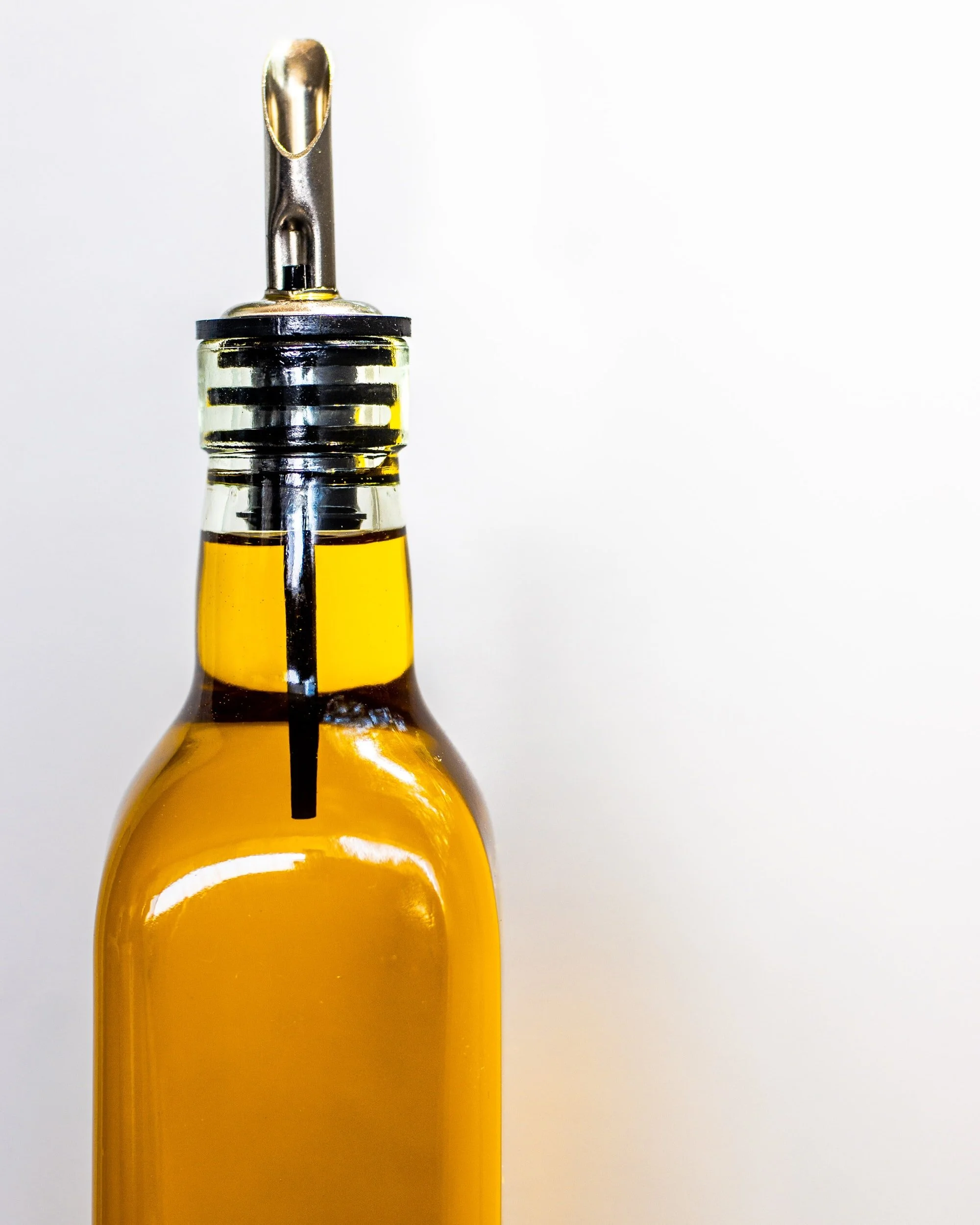
Next time you pick up a packaged food, flip it over and scan the ingredients. The odds are high that at least one of the oils on the avoid list below is in there. Salad dressings, protein bars, crackers, chips, sauces, frozen meals. These oils are everywhere because they are cheap, and cheap is what drives most food manufacturing decisions.
Avoid These
- Canola oil
- Sunflower oil
- Vegetable oil
- Peanut oil
- Soybean oil
- Corn oil
- Palm oil
Use These
- Olive oil
- Avocado oil
- Coconut oil
- Ghee
- Grass-fed butter
Do not rely on front-of-package marketing. A label that says "made with olive oil" often means mostly canola oil with a small amount of olive oil added. Always read the full ingredient list.
Why Seed and Vegetable Oils Are Harmful
The Polyunsaturated Fat Problem
Vegetable and seed oils are extremely high in polyunsaturated fats (PUFAs). The problem is that PUFAs are chemically unstable and oxidize easily, especially when heated. Oxidized fats trigger inflammation and cellular mutation. That oxidation has been linked to increased risk of heart disease, cancer, endometriosis, and PCOS. Your body's fat composition is roughly 97 percent saturated and monounsaturated fat. It is designed to use those for cell rebuilding and hormone production, not unstable polyunsaturated fats from industrially processed oils.
The Omega-6 Imbalance
Omega-3 fatty acids reduce inflammation and protect against disease. Omega-6 fatty acids, in excess, do the opposite. The ratio between the two matters enormously, and seed oils are loaded with omega-6. Most Americans are already heavily skewed toward omega-6 and deficient in omega-3. Using vegetable oils daily makes that imbalance significantly worse. Watch out for misleading labels that tout products as "a good source of omega-3s" while also containing substantial omega-6. The net effect is still inflammatory.
Additives and Processing Chemicals
Beyond the fat profile, many seed oils contain BHA and BHT, synthetic antioxidants added to prevent spoilage. These compounds have been shown to produce potentially carcinogenic byproducts in the body and have been linked to immune system disruption, infertility, liver and kidney damage, and behavioral issues. The oils also go through extensive industrial processing, including bleaching and deodorizing, before they reach the shelf. What you are getting is far removed from anything that resembles a natural food.
The Oils Worth Using
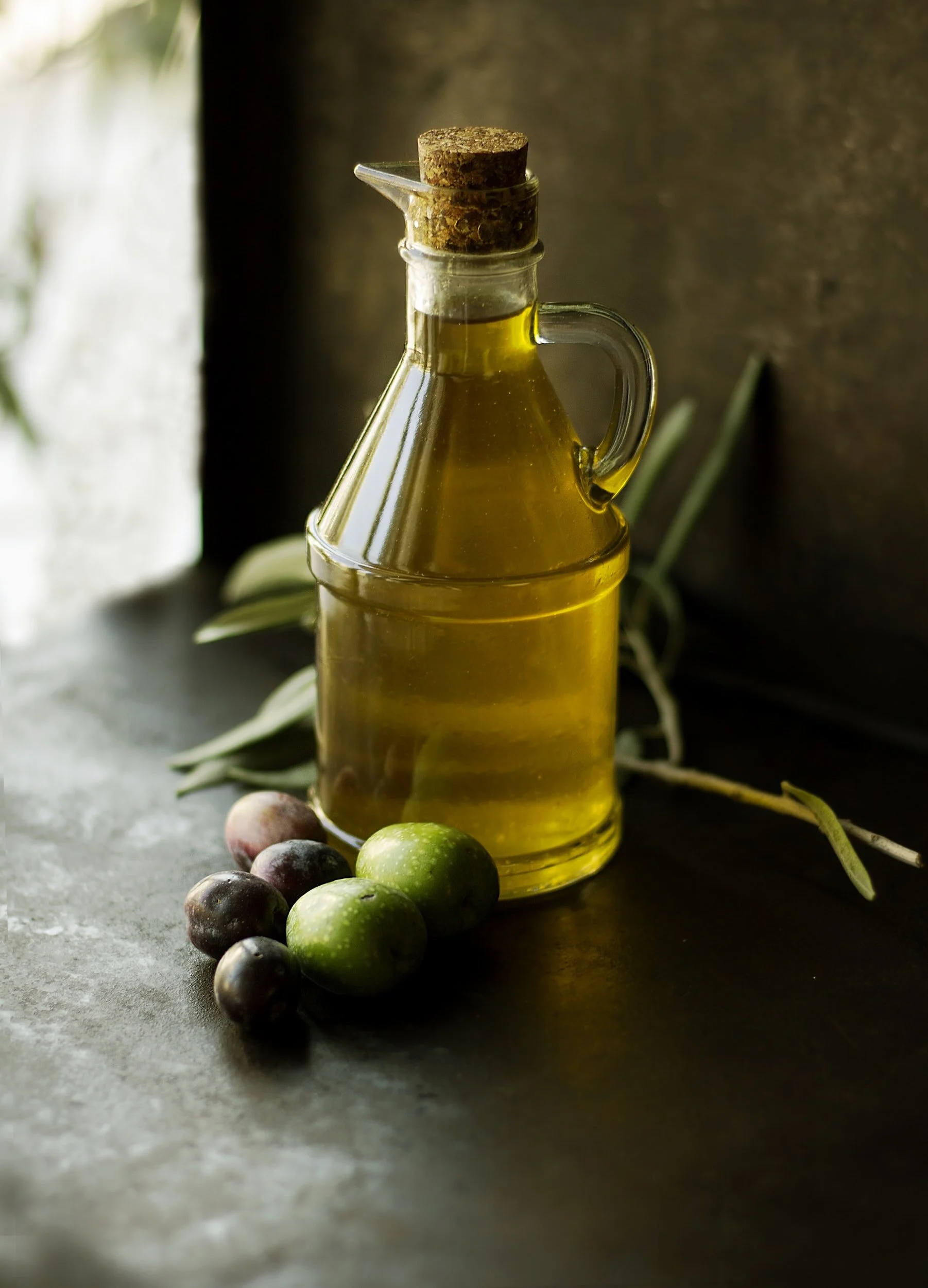
Olive Oil
Extra virgin olive oil is high in oleic acid, a stable monounsaturated fat, and rich in antioxidants and anti-inflammatory compounds. It is best used in cold preparations like dressings and dips, or for low to medium heat cooking. It has a relatively low smoke point so avoid using it for high heat searing or frying.
Avocado Oil
Avocado oil has a very high smoke point, making it one of the best options for high-heat cooking. It is also high in monounsaturated fats and has a neutral flavor that works well across a wide range of dishes. This is the one to reach for when cooking at higher temperatures.
Coconut Oil
Coconut oil is high in saturated fat, which makes it stable at high temperatures and resistant to oxidation. It works well for sauteing, baking, and anywhere you want a mild coconut flavor. Refined coconut oil has a higher smoke point and more neutral taste than unrefined if the coconut flavor is not what you are looking for.
Ghee and Grass-Fed Butter
Both are excellent for cooking and finishing dishes. Ghee is clarified butter with the milk solids removed, which gives it a higher smoke point than regular butter and makes it suitable for most cooking applications. Grass-fed butter adds a richness to finished dishes and is significantly more nutritious than butter from conventionally raised cows.
Small swaps in what you cook with add up over time. Want a program that builds nutrition habits into the whole picture alongside real training? Try Siwicki Fitness free for a week.
Start Your Free Week