Five Reasons to Quit Sugar, Stat
Most people know sugar is bad for them. They just do not know why in a way that actually changes how they eat. Here is the real explanation, without the fluff.
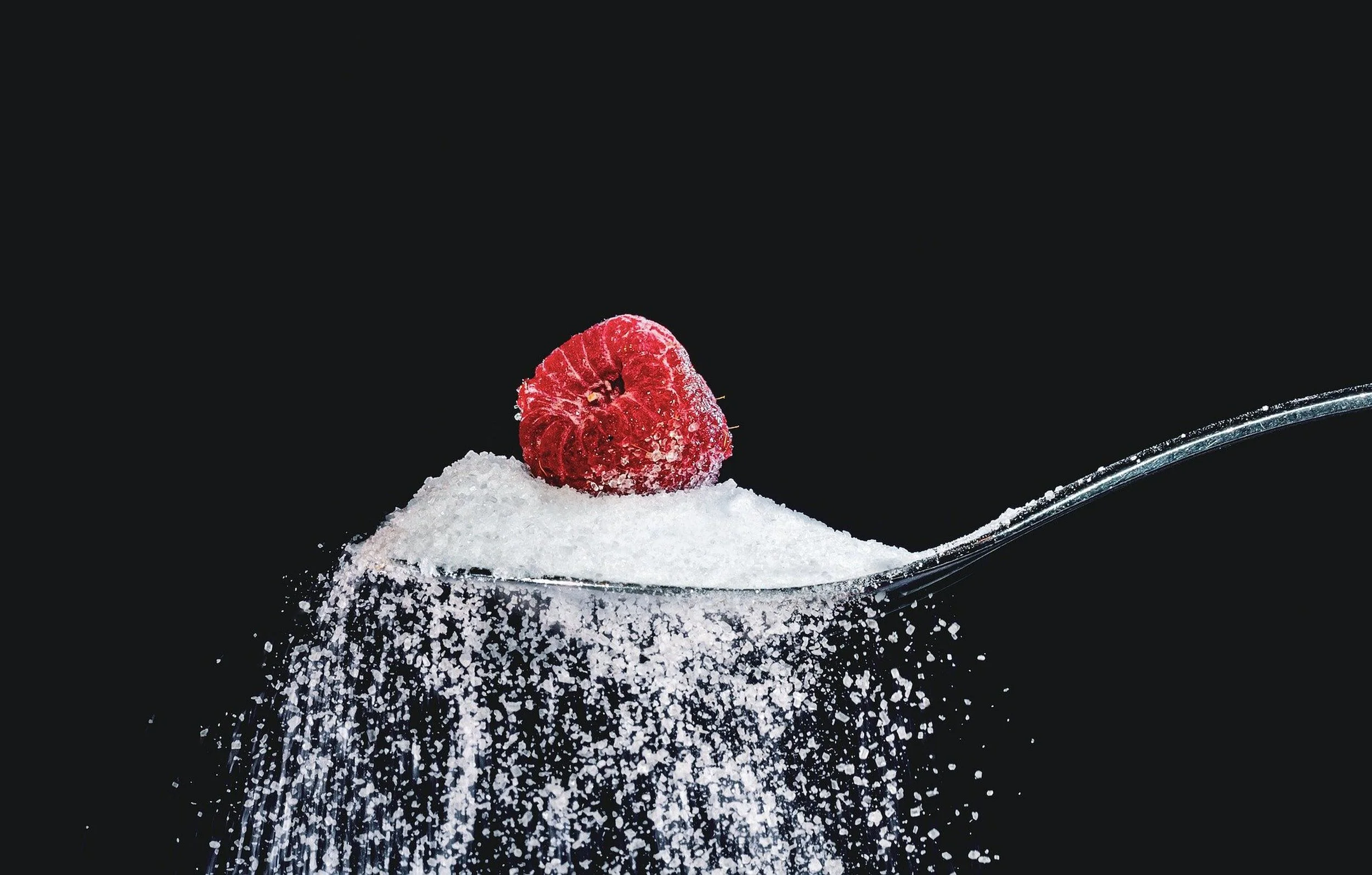
Sugar is everywhere. It is in the obvious places like candy and soda, but also in the places most people are not looking: salad dressings, pasta sauces, flavored yogurts, protein bars, bread, cereal marketed as healthy. The average American consumes around 17 teaspoons of added sugar per day. The recommended limit is 6 to 9.
The reason it matters is not just calories. Sugar does specific things to your body that most other foods do not. Here are the five that matter most.
Reason 1Sugar Is Genuinely Addictive

This is not a metaphor. Sugar activates the same reward pathways in the brain as drugs like cocaine. It triggers a dopamine release that makes you feel good in the moment, and over time your brain needs more and more sugar to produce the same effect. That is the definition of tolerance, and it is the same mechanism behind addiction.
The craving cycle is real. You eat sugar, get a spike, crash, and then crave more. Each time you give in to the craving you reinforce the loop. This is why cutting sugar feels genuinely difficult for the first week or two. It is not a lack of willpower. It is withdrawal from something your brain has been trained to depend on.
How it shows up in daily eating
- You finish a meal and still feel like you need something sweet
- You reach for sugar when stressed, tired, or bored
- One piece of chocolate leads to five
- You feel noticeably irritable or foggy when you cut it out
It Drives Weight Gain in Ways That Have Nothing to Do With Calories

Yes, sugar is high in calories and low in nutrients. But the weight gain issue goes deeper than the calorie count. When you eat sugar, your body releases insulin to manage the blood sugar spike. Insulin is a fat storage hormone. Chronically elevated insulin means your body is in fat storage mode, not fat burning mode. It does not matter how much you exercise.
Fructose, which is one half of table sugar, is processed almost entirely by the liver. When you consume it in excess, the liver converts it directly to fat. This is how sugar specifically contributes to visceral fat, the dangerous fat that accumulates around your organs, and fatty liver disease even in people who do not drink alcohol.
Reason 3You can eat fewer calories and still gain weight if those calories are driving constant insulin spikes. The type of food matters as much as the amount.
It Causes Chronic Inflammation

Acute inflammation is your body doing its job, healing a cut or fighting an infection. Chronic inflammation is a different animal entirely. It is a low-grade, constant inflammatory state driven largely by diet, and refined sugar is one of the biggest drivers of it.
When you consume excess sugar, your body releases pro-inflammatory chemicals called cytokines. Over time, chronic elevated cytokines are linked to a long list of serious conditions: heart disease, type 2 diabetes, certain cancers, arthritis, and autoimmune disorders. The bloating and sluggishness most people attribute to just eating badly is largely an inflammatory response. Remove the sugar and watch how quickly it resolves.
Signs you may be dealing with chronic inflammation
- Persistent bloating, especially after meals
- Fatigue that does not improve with rest
- Skin issues like acne, eczema, or puffiness
- Joint pain or stiffness
- Brain fog and difficulty concentrating
It Suppresses Your Immune System

Research has shown that consuming a significant amount of sugar measurably suppresses the activity of white blood cells for several hours after consumption. White blood cells are your immune system's primary defense against bacteria and viruses. Less white blood cell activity means your body is less equipped to fight off infection during that window.
If you are someone who gets sick frequently, catches every cold that goes around, or takes a long time to recover when you do get ill, your sugar intake is worth examining seriously. It is not the only factor, but it is one that most people have never considered.
Reason 5It Accelerates Aging

This one is called glycation. When sugar molecules in your bloodstream attach to proteins, they form compounds called advanced glycation end products, or AGEs. AGEs damage collagen and elastin, the proteins responsible for keeping your skin firm and elastic. This leads to wrinkles, sagging, and dull skin that appears older than it should.
The damage from glycation is not limited to your skin. The same process occurs throughout the body, affecting blood vessels, kidneys, and the brain. It is a key mechanism in the development of diabetic complications and has been linked to neurodegenerative diseases. The name says it all: advanced glycation end products accelerate the end of healthy tissue function.
What to DoHow to Actually Cut Back on Sugar

The goal is not to be perfect. It is to make a meaningful reduction in the amount of added sugar you are consuming every day. A few practical ways to do that:
Start here
- Read ingredient labels. Sugar hides under dozens of names: dextrose, maltose, high fructose corn syrup, agave, cane juice, and more
- Cut out liquid sugar first: sodas, juices, sweetened coffees, energy drinks. This is the highest-impact change most people can make
- Replace sweetened snacks with protein-first options: hard boiled eggs, Greek yogurt, nuts, jerky
- When you do eat something sweet, eat it after a meal, not on an empty stomach. The fiber and protein from the meal blunts the blood sugar spike
- Give it two weeks before you evaluate. The first week is the hardest. After that, cravings drop significantly for most people
The Five Reasons at a Glance
- Activates addictive brain pathways
- Drives fat storage via insulin
- Triggers chronic inflammation
- Suppresses immune function
- Damages collagen and accelerates aging
None of this requires you to give up sweetness forever. It requires you to be aware of how much added sugar is quietly in your diet and to start pulling it back. Most people feel a noticeable difference within two weeks. Less bloating, better energy, clearer skin, fewer cravings. The body responds fast when you stop feeding the cycle.
Clean up your nutrition for real
Live virtual classes and a nutrition approach built around cutting the foods that work against you. Try everything free for a week with no credit card and no commitment.
Start Your Free Week