The Best Foam Roller Stretches for Each Area of Your Body
Foam rolling is one of the cheapest, most effective recovery tools you have. A $20 to $40 roller and 10 minutes after a workout can be the difference between feeling good tomorrow and being wrecked for two days. Here is exactly how to use it on every major area of your body.
Quick rule before you start: foam rolling should feel like a good uncomfortable. Achy, tender, releasing. Not sharp. Not shooting pain. If you feel sharp or chronic pain or any tingling, stop and see a doctor. Foam rolling is for tight muscles, not injuries.
 Area 1 of 6
Neck, Chest, and Upper Back
If you have a desk job, this is the one that is going to change your life. Hours of sitting forward rounds your upper back and tightens everything across your chest and into your neck. Rolling this area regularly can improve your posture and help prevent the chronic neck stiffness that builds up over a week of work.
Look for a high density foam roller with crevices or a curved shape so you are not putting direct pressure on your spine. The Rad Helix is a good option for this area.
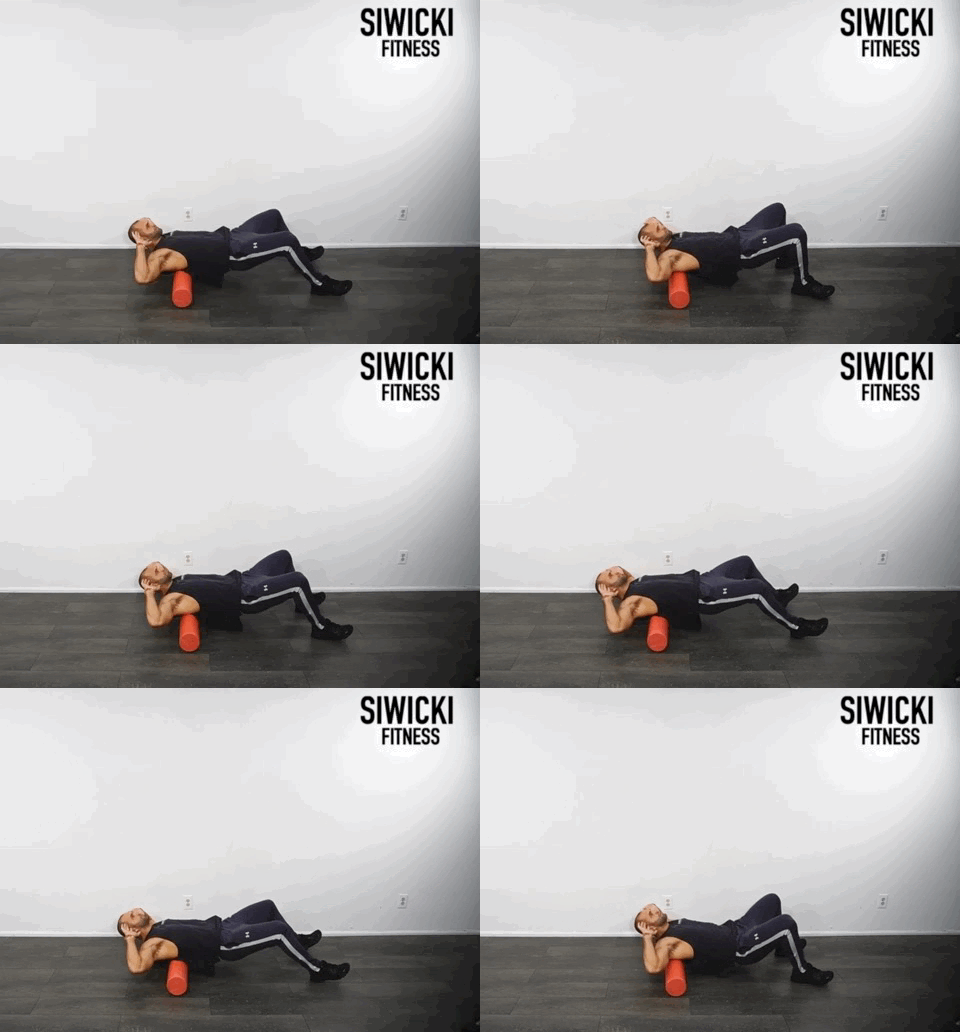
Lie face up on the floor with your knees bent, feet flat, and the roller directly under your shoulder blades. Support the back of your head with both hands. Extend your spine backward over the roller, then come back up. Work your way up your spine slowly, pausing anywhere that feels particularly tight. Let gravity do the work. You do not need to force it.
 Area 2 of 6
Triceps
If you have been showing up to upper body class and actually pushing on the pushups, your triceps are going to need this. The back of the arm holds a lot of tension that most people never address.
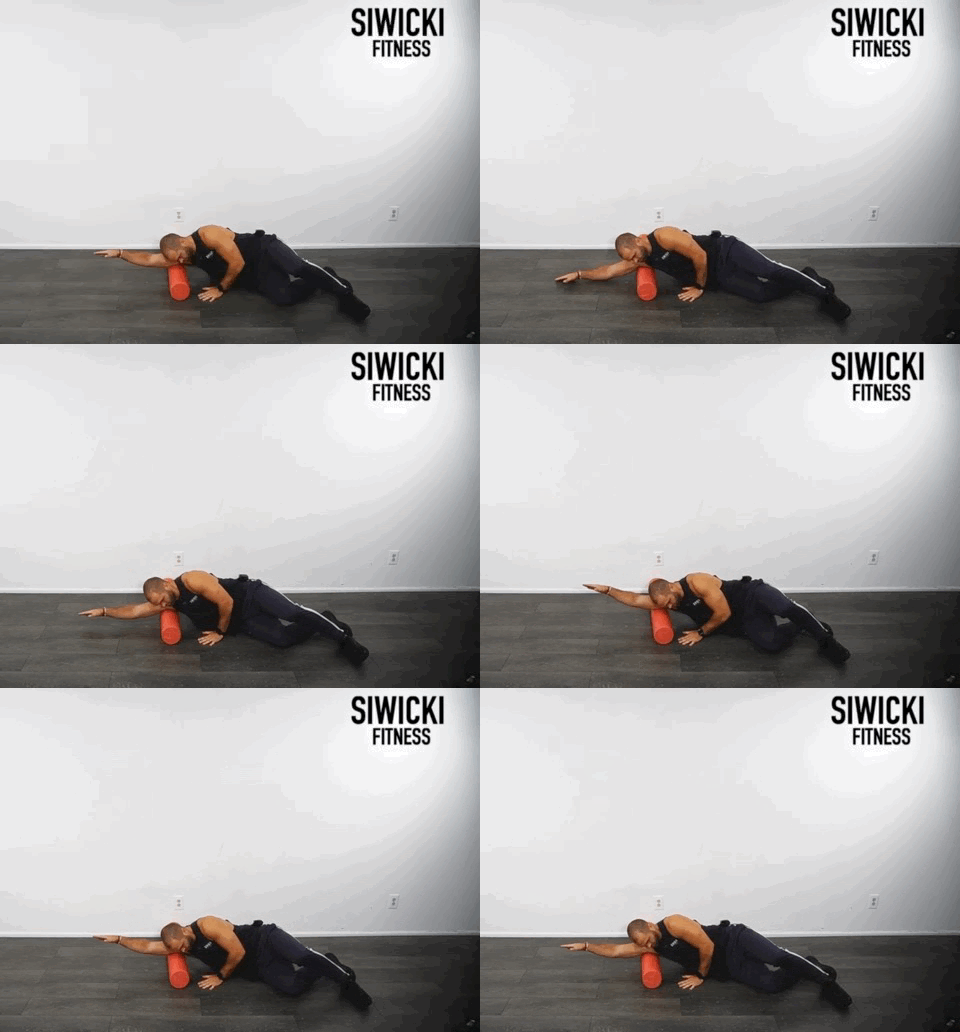
A medium density roller works well here. If you want a deeper release, go with something textured. Lie on your side with the roller in your armpit, starting at the insertion point of the tricep just under your shoulder. Gently rock side to side as you roll down toward the elbow. The tricep connects on both sides of the elbow, so spend 30 seconds to a minute working out each spot. Go slow and breathe through it.
 Area 3 of 6
Hip Flexors and Lower Back
Here is something a lot of people do not know. When your core muscles fatigue during ab work, your body shifts the load to your hip flexors to compensate. Over time those hip flexors get tight, and tight hip flexors pull on your lower back. That is where that nagging low back ache comes from after a hard core class.
A high density roller with ridges works well here. The TriggerPoint roller is a solid choice for this area.
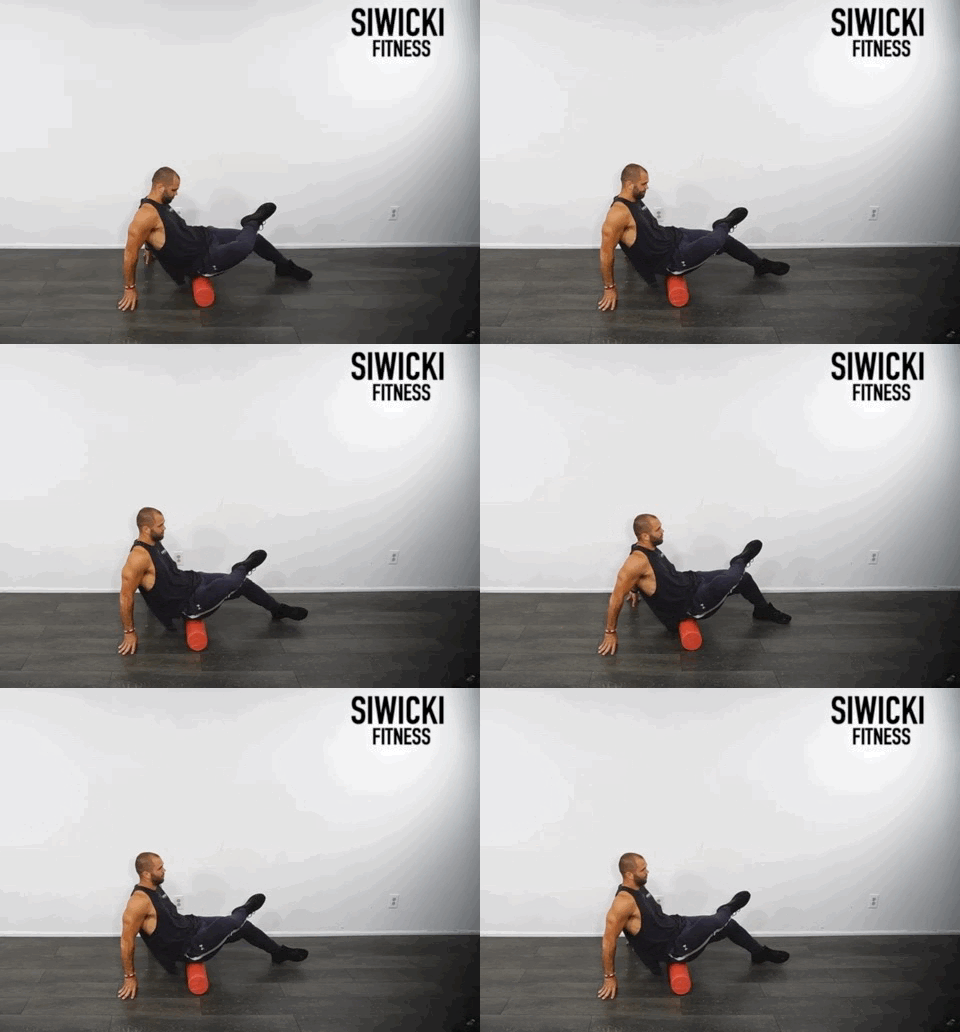
Start by sitting on the roller in a figure four position. This targets the back of the hip and releases tension that travels into the hip flexors. Then flip over and place the roller at the top of your thigh at the hip insertion point. Shift your weight slowly side to side, pausing on any sensitive spots for up to five minutes per side.
You can also use a lacrosse ball for lower back work. Lie face down with the ball under your hip flexor, ease your weight into it, and roll in small circles until you find a tight spot. Stop there and let the muscle relax into it. Bending your knee behind you and letting your lower leg slowly fan in and out adds an extra release.
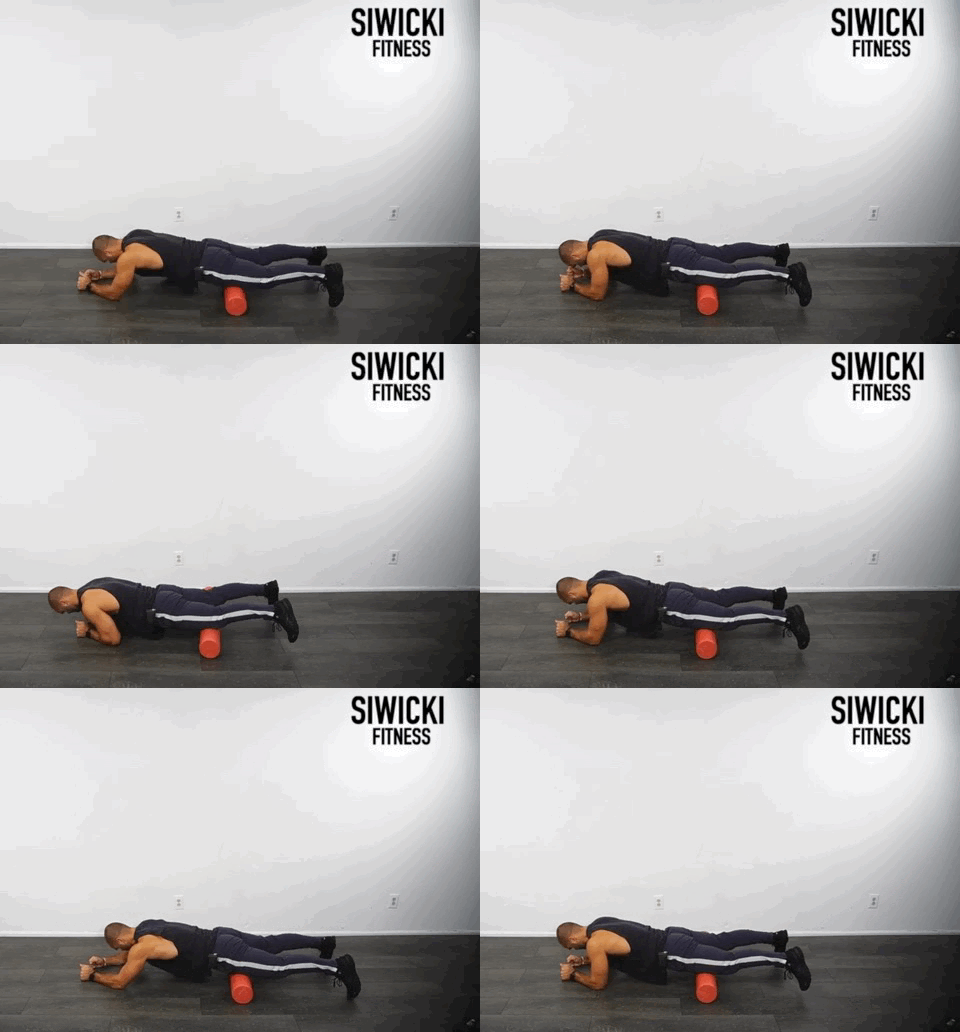 Area 4 of 6
Quads and Knees
Most knee pain is not actually a knee problem. It comes from a tight IT band running up the outside of the thigh or tight quads pulling the kneecap out of alignment. Rolling out your quads regularly is one of the best things you can do for your knees long term.
Go with a medium density roller here. The IT band can be extremely sensitive and a high density roller is often too intense for people just starting out.
Lie with the roller just above your knee on the outside of your leg, perpendicular to your body. Move your body back and forth so the roller travels from your knee up to your hip along the IT band. Then shift to your quads and roll the full length of the front of your thigh. When you hit a tight spot, pause there. Bending and straightening your knee while holding that spot gets even deeper into the muscle.
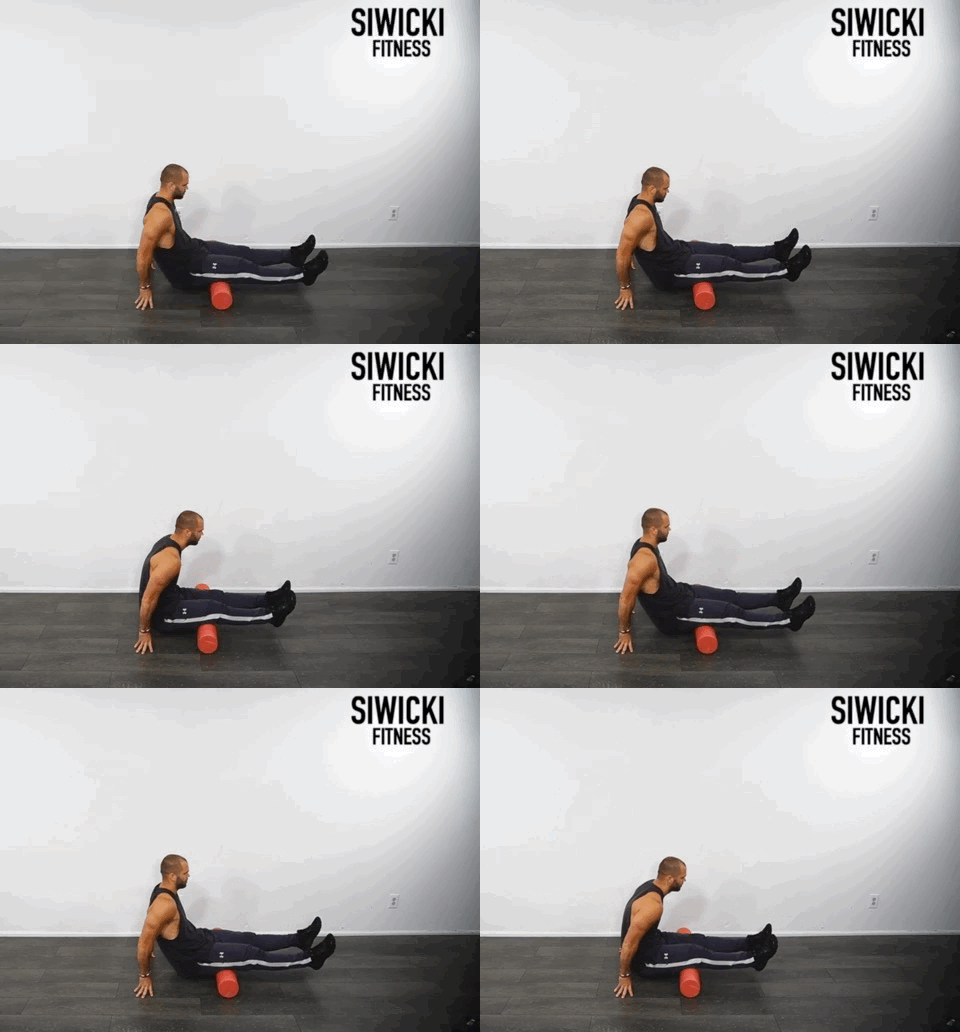 Area 5 of 6
Hamstrings
Tight hamstrings affect everything. Your posture, your lower back, your hip mobility, your squat depth. If you are only stretching them and never rolling them, you are leaving a lot on the table.
Go high density here. The TriggerPoint roller is a great option, and if you want something that really works after a hard workout, the Nextrino vibrating roller increases circulation and helps flush out soreness fast.
Sit with the roller under your thighs and your hands on the floor behind you supporting your weight. Slowly roll from your hip all the way down to the back of your knee. Shift slightly to one side to focus on one hamstring at a time if you want more intensity. Spend up to a few minutes per side. If a spot is especially tender, stop on it and hold for 30 seconds before moving on.
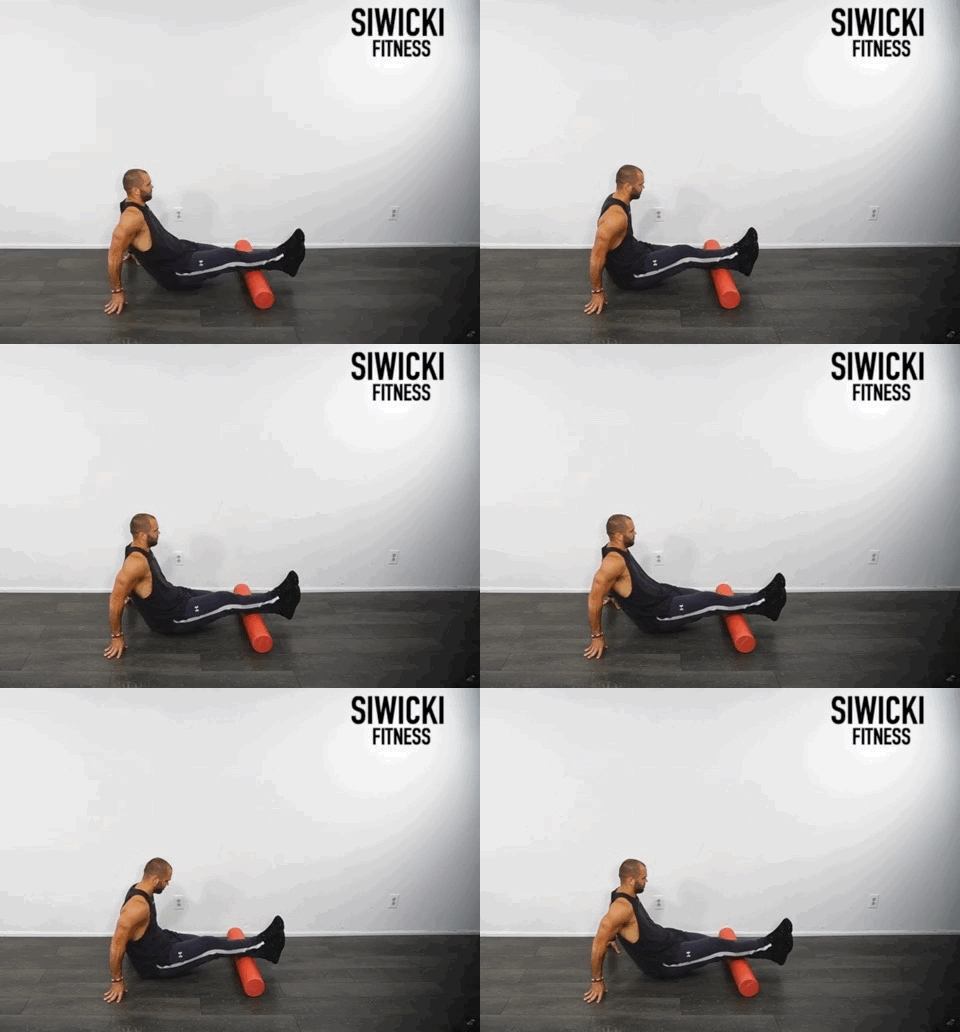 Area 6 of 6
Calves
Tight calves cause more problems than people realize. Calf cramps at night, ankle stiffness, plantar fasciitis, knee pain that does not seem to have a source. Rolling them out regularly, especially before bed if you cramp at night, can make a real difference.
A medium density roller works fine here. For calves and other smaller muscle groups, look for an 18 inch roller rather than a 36 inch one. It is easier to control and position on smaller areas.
Sit up with the roller under one calf and your hands on the floor to support your weight. Start at the ankle and slowly work up toward the back of the knee. Apply light pressure at first and increase gradually. Do not force it or push through sharp pain. Relax the muscle completely and breathe steadily the whole time. Work one calf fully before switching to the other.
Recovery is half the game. If you want workouts that are actually designed around how your body moves and recovers, try Siwicki Fitness free for a week. Live classes every day, an on demand library, and a coach who actually sees you.
Start Your Free WeekNo credit card. No commitment. Full access for 7 days.