How Much Protein Do I Need Per Day? The Honest Answer
Protein is the most important macronutrient for body composition, muscle building, and staying lean as you age. Most people think they are eating enough of it. Most people are not. Here is exactly how much you need, how to calculate it for your specific goals, and the best sources to hit your target every day.
Why Protein Is the Most Important Macro
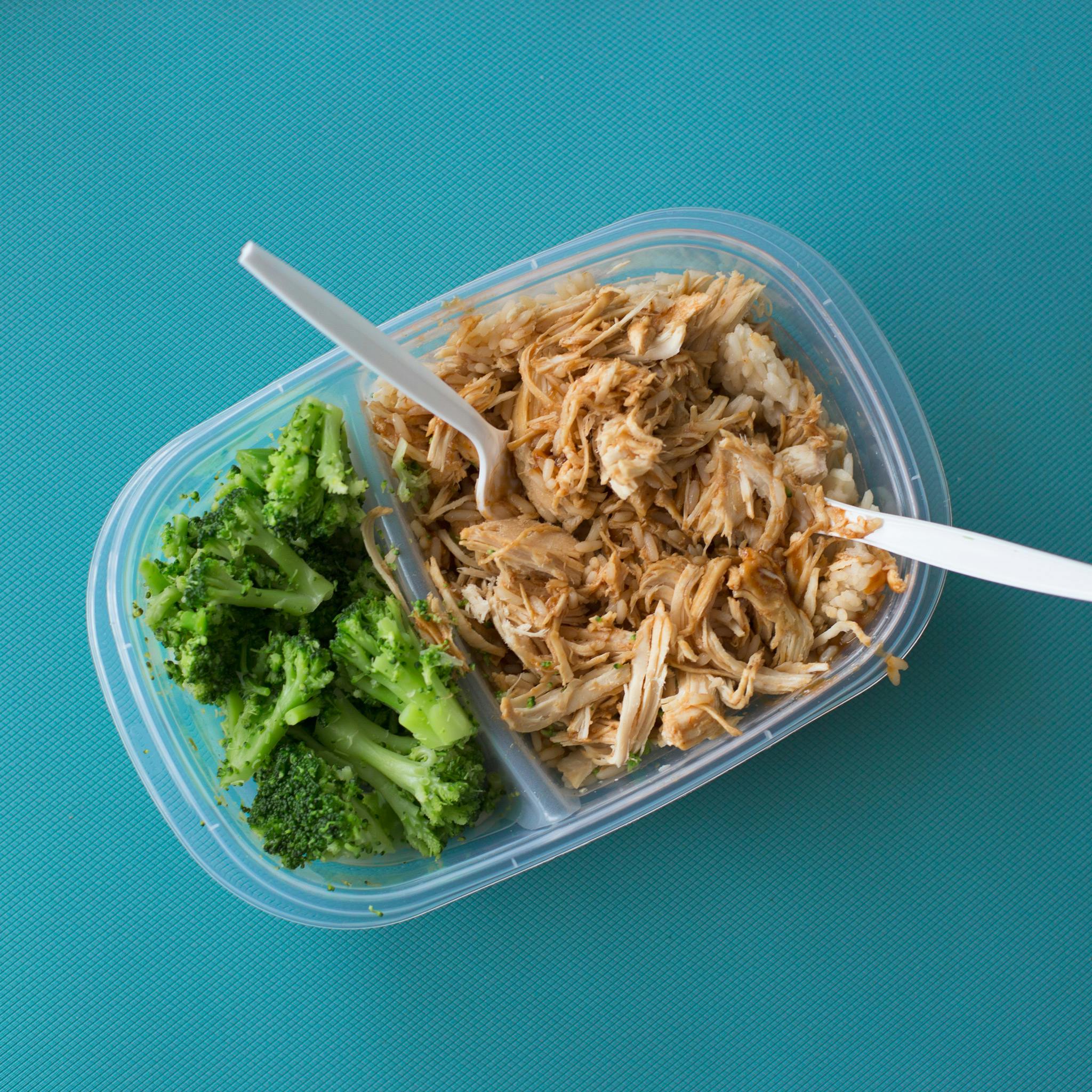
Every single cell in your body is built from protein. Your muscles, organs, skin, hair, hormones, enzymes, and immune system all depend on a consistent supply of it. When you exercise, you create microscopic tears in your muscle tissue. Protein is what your body uses to repair and rebuild those tears bigger and stronger than before. Without enough protein, that repair process is incomplete and your results suffer regardless of how hard you train.
Protein also keeps you fuller longer than carbohydrates or fat, which matters enormously if fat loss is part of your goal. It has the highest thermic effect of any macronutrient, meaning your body burns more calories just digesting it. And it preserves lean muscle mass when you are in a calorie deficit, which is the difference between getting smaller and getting lean.
You can do everything else right and still undermine your results by not eating enough protein. It is the one macro most active people consistently undershoot.
How Much Protein Do You Actually Need
The government recommended daily allowance for protein is 0.8 grams per kilogram of body weight. That number was calculated to prevent deficiency in sedentary adults. It is not a target for anyone who trains, wants to build muscle, or wants to maintain their physique as they age. It is a floor, not a goal.
For active adults the research consistently points to a significantly higher target. Here is how to think about it based on your goal:
General fitness and health
Fat loss while preserving muscle
Building muscle and performance
So if you weigh 150 pounds and your goal is fat loss, you are aiming for around 120 grams of protein per day. If you are focused on building muscle, you are targeting 150 grams. These numbers sound high to most people because most people are significantly under-eating protein without knowing it.
A practical way to distribute it: aim for 30 to 40 grams of protein per meal across three meals. That structure gets most active adults where they need to be without obsessive tracking.
The Best Protein Sources
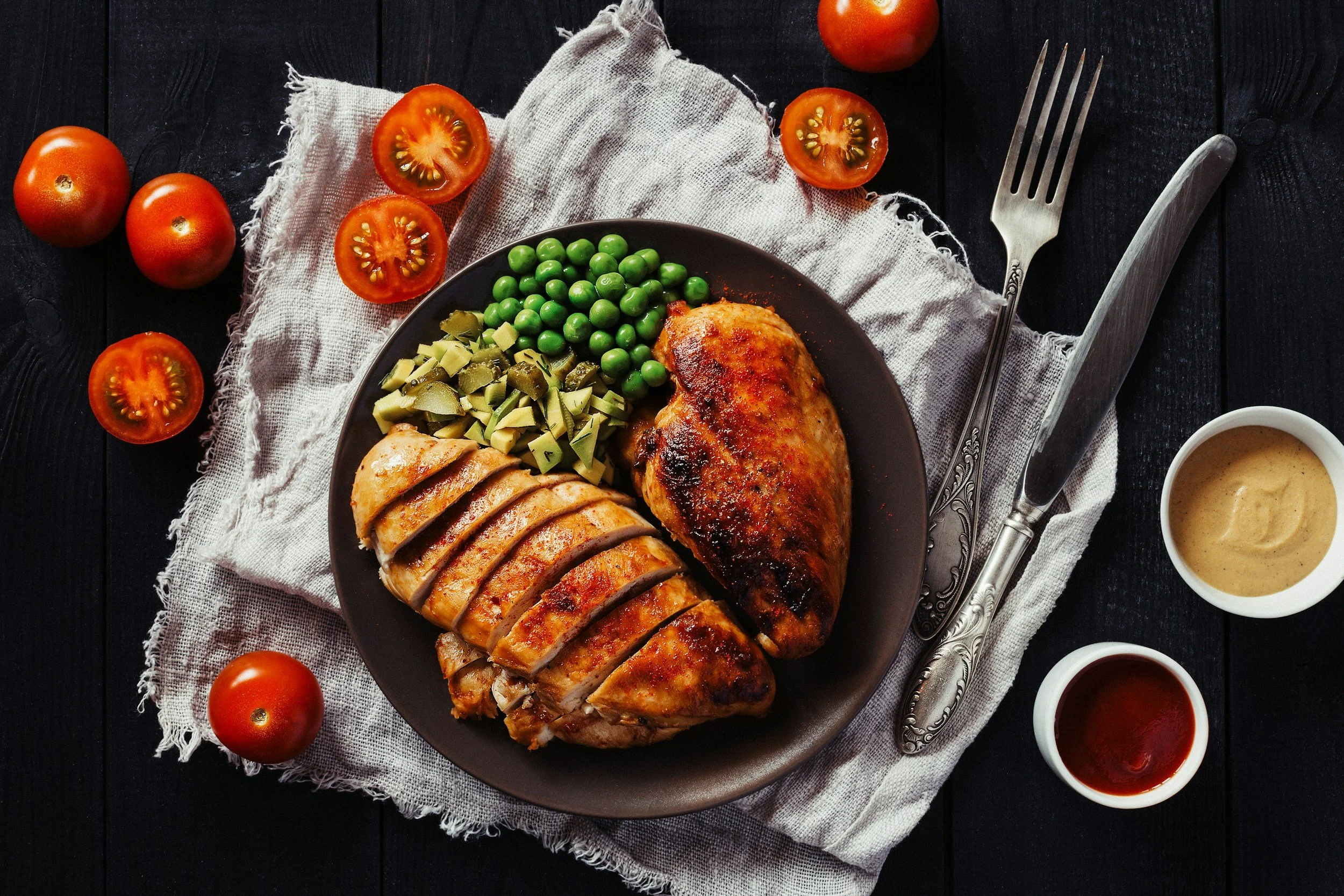
Not all protein sources are equal. The quality of your protein matters as much as the quantity, which is why where your protein comes from deserves attention alongside how much you are eating.
Animal Protein
- Chicken breast (31g per 100g)
- Wild caught salmon (25g per 100g)
- Grass-fed beef (26g per 100g)
- Eggs (6g per egg)
- Greek yogurt (10g per 100g)
- Cottage cheese (11g per 100g)
- Tuna (30g per 100g)
- Turkey breast (29g per 100g)
What to Look For
- Grass-fed beef over grain-fed
- Pasture-raised chicken and eggs
- Wild caught over farmed fish
- Plain Greek yogurt over flavored
- No added hormones or antibiotics
- Minimal processing
- Recognizable ingredients
Plant Based Protein Sources
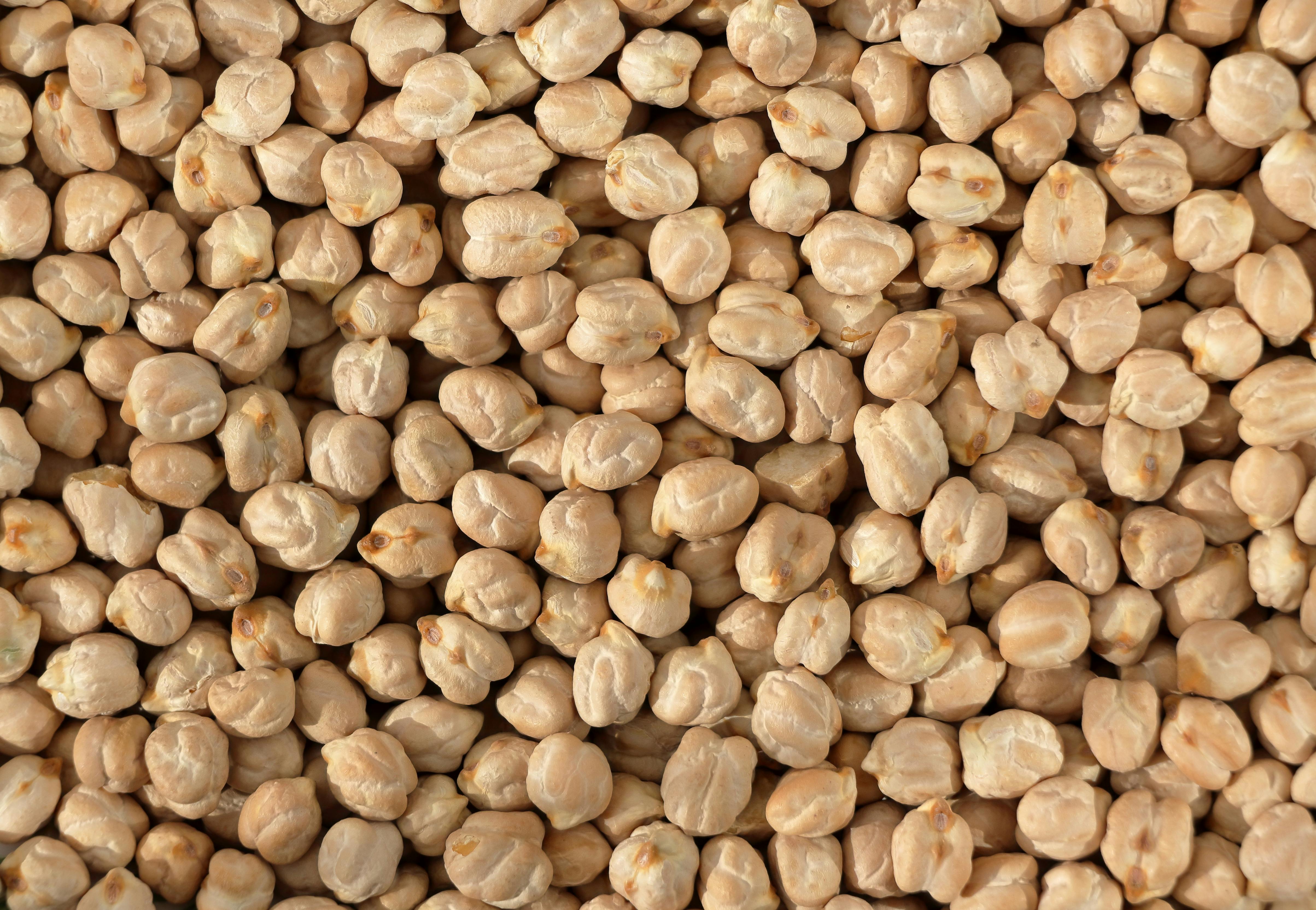
Plant-based proteins are a valuable part of any diet but they come with two important considerations. First, most plant proteins are incomplete, meaning they do not contain all nine essential amino acids on their own. Second, the protein density is generally lower, which means you need to eat more volume to hit the same target. Neither of these is a deal breaker, but they are worth knowing.
Best Plant Proteins
- Lentils (18g per cup cooked)
- Chickpeas (15g per cup cooked)
- Edamame (17g per cup)
- Tempeh (31g per 100g)
- Tofu (8g per 100g)
- Hemp seeds (10g per 3 tbsp)
- Quinoa (8g per cup cooked)
- Black beans (15g per cup cooked)
Complete Combos
- Rice and beans together
- Hummus with whole grain pita
- Lentils with rice
- Peanut butter on whole grain bread
- Hemp seeds added to any meal
- Edamame as a standalone snack
- Tempeh as a meat substitute
What About Protein Powder
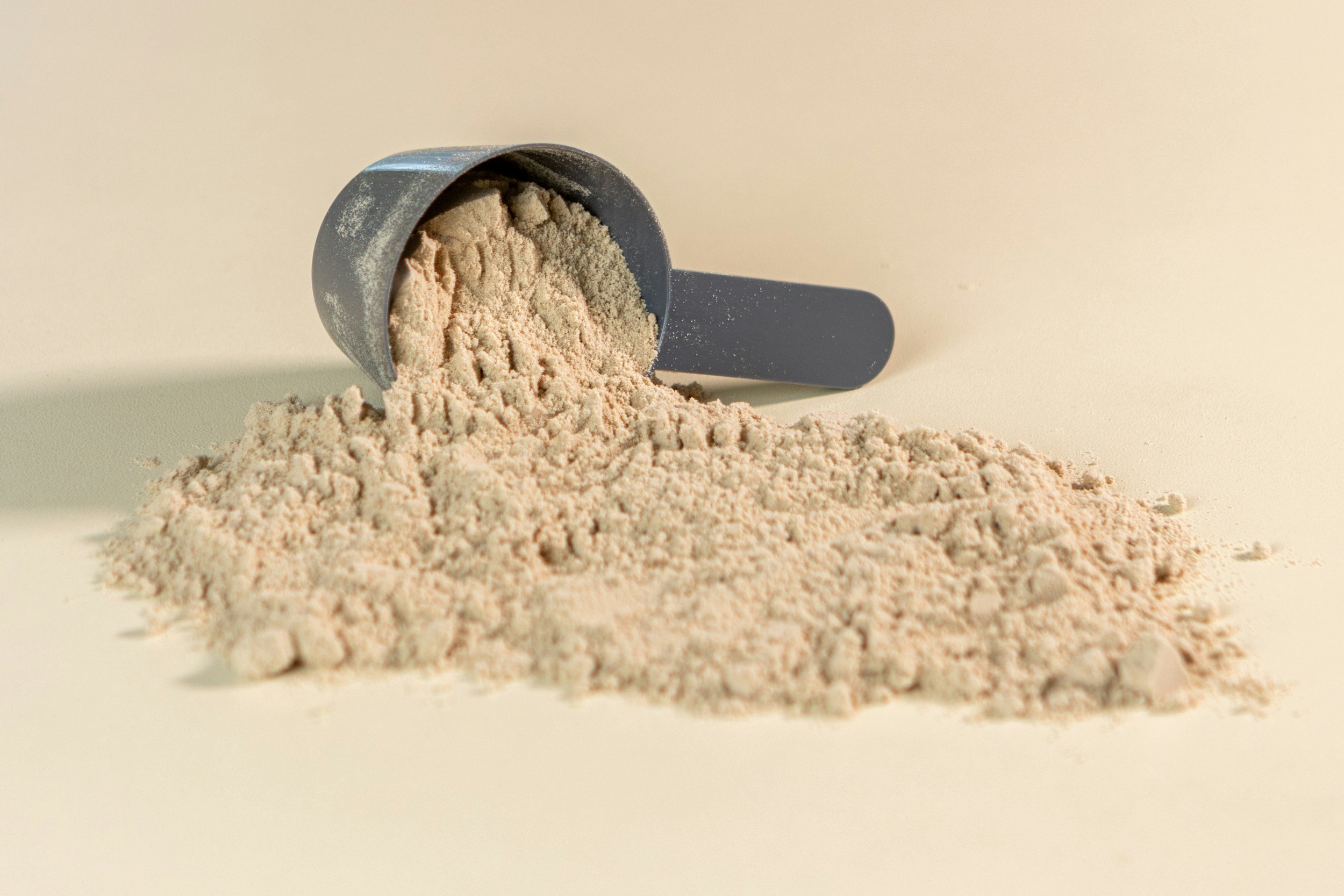
Protein powder is a tool, not a requirement. Whole food should always be your primary source. But if you are consistently falling short of your daily target and you need a convenient way to close the gap, a clean protein powder is a perfectly valid option.
What to look for: grass-fed whey if you tolerate dairy, or a clean pea and rice protein blend if you do not. Avoid anything with artificial sweeteners, fillers, or an ingredient list longer than five or six items. The fewer ingredients the better.
One scoop blended with frozen banana, almond milk, almond butter, chia seeds, a handful of spinach, and ice is one of the most efficient post-workout meals you can make. It takes three minutes and delivers 30 to 40 grams of protein depending on your powder.
How to Actually Hit Your Protein Target Every Day

Knowing your protein target is one thing. Consistently hitting it is another. Here is how to make it practical rather than a daily guessing game.
- Build every meal around a protein source first, then add carbs and fat around it. Protein is the anchor, not an afterthought.
- Aim for 30 to 40 grams per meal across three meals. That simple structure handles most of your daily target without counting anything.
- Meal prep your protein sources on Sunday. Having cooked chicken, hard-boiled eggs, or portioned Greek yogurt ready removes all friction from hitting your target on busy days.
- Add protein to meals that would otherwise be low in it. Hemp seeds on a salad, Greek yogurt instead of sour cream, eggs added to a vegetable stir fry.
- Keep high-protein snacks accessible. Hard-boiled eggs, cottage cheese, edamame, clean protein bars. The best snack is the one you actually have available when you are hungry.
- Track for two weeks even if you do not plan to track long term. Most people are shocked by how far off their estimate of daily protein actually is. Two weeks of data will recalibrate your instincts permanently.
Protein is the one macro worth being intentional about every single day. Get this right and everything else in your nutrition and training works better.
Want a program that builds your nutrition and training together in a way that actually gets results? That is exactly what Siwicki Fitness members get. Try everything free for a week.
Start Your Free Week